For many families, homeownership feels further out of reach than it did a generation ago, but it doesn’t have to. Factory-built housing has quietly become one of the most practical, affordable paths into a home of your own, and today’s homes look nothing like the “mobile homes” of decades past. They’re energy-efficient, durably engineered, financed through the same kinds of mortgages used for site-built homes, and often ready to move into in a fraction of the time.
If you’re just beginning your research, this guide walks you through what factory-built housing is, the four types worth knowing about, and the step-by-step process of buying one — from checking your credit to picking up the keys.
What Is Factory-Built Housing?
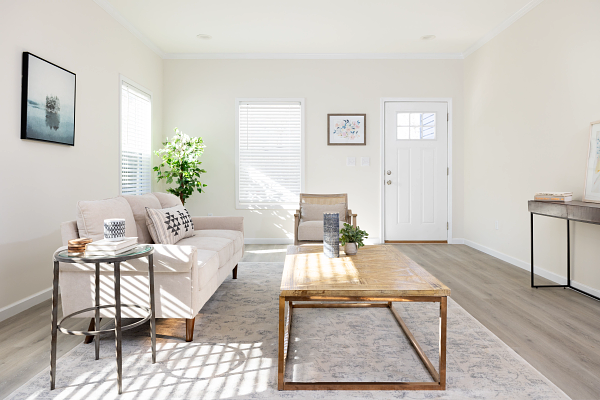
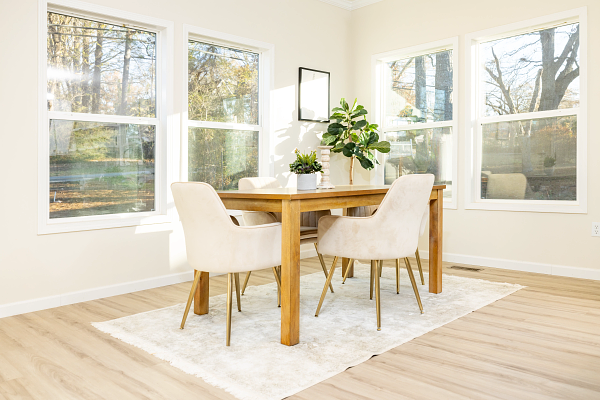
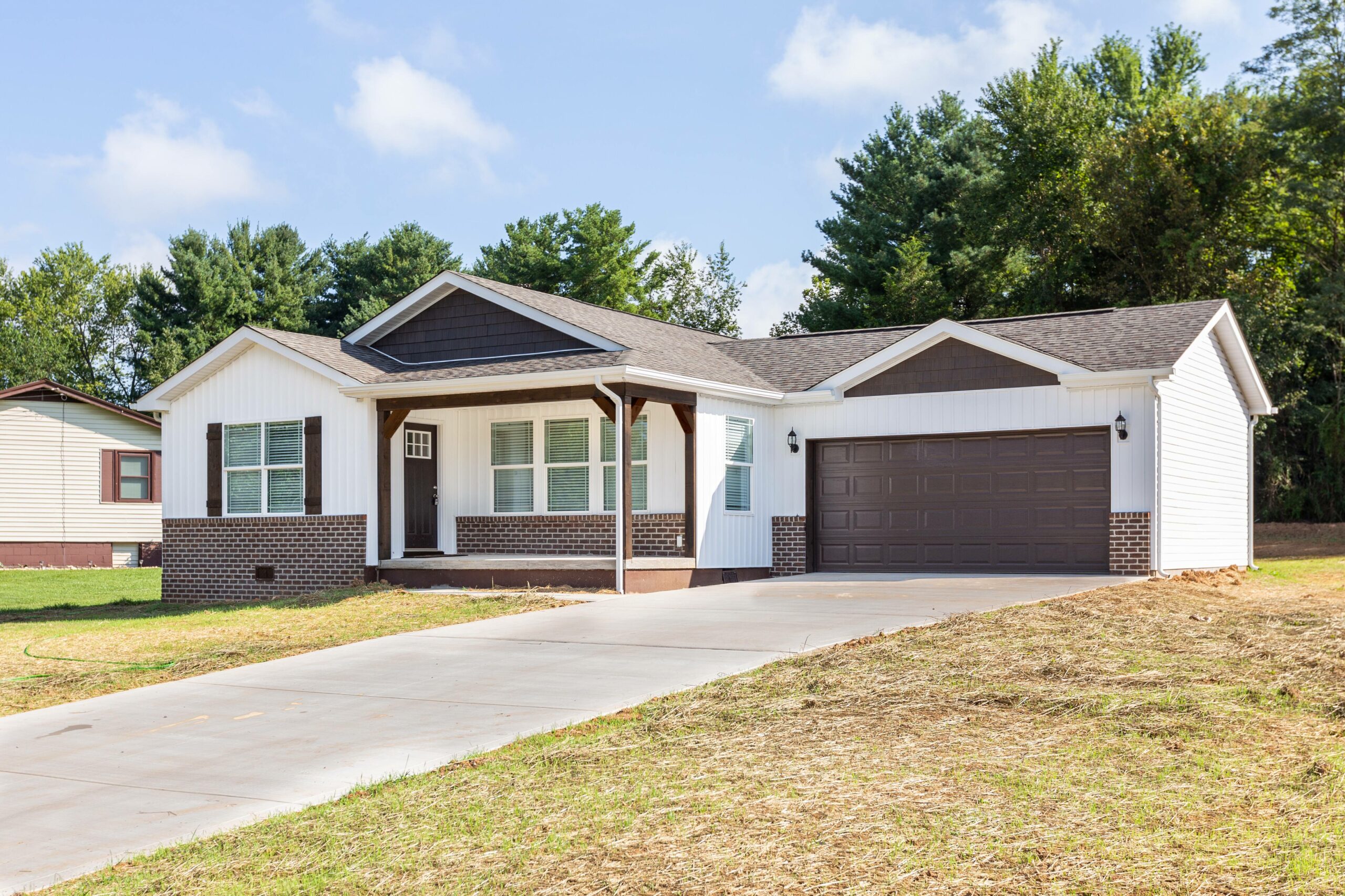
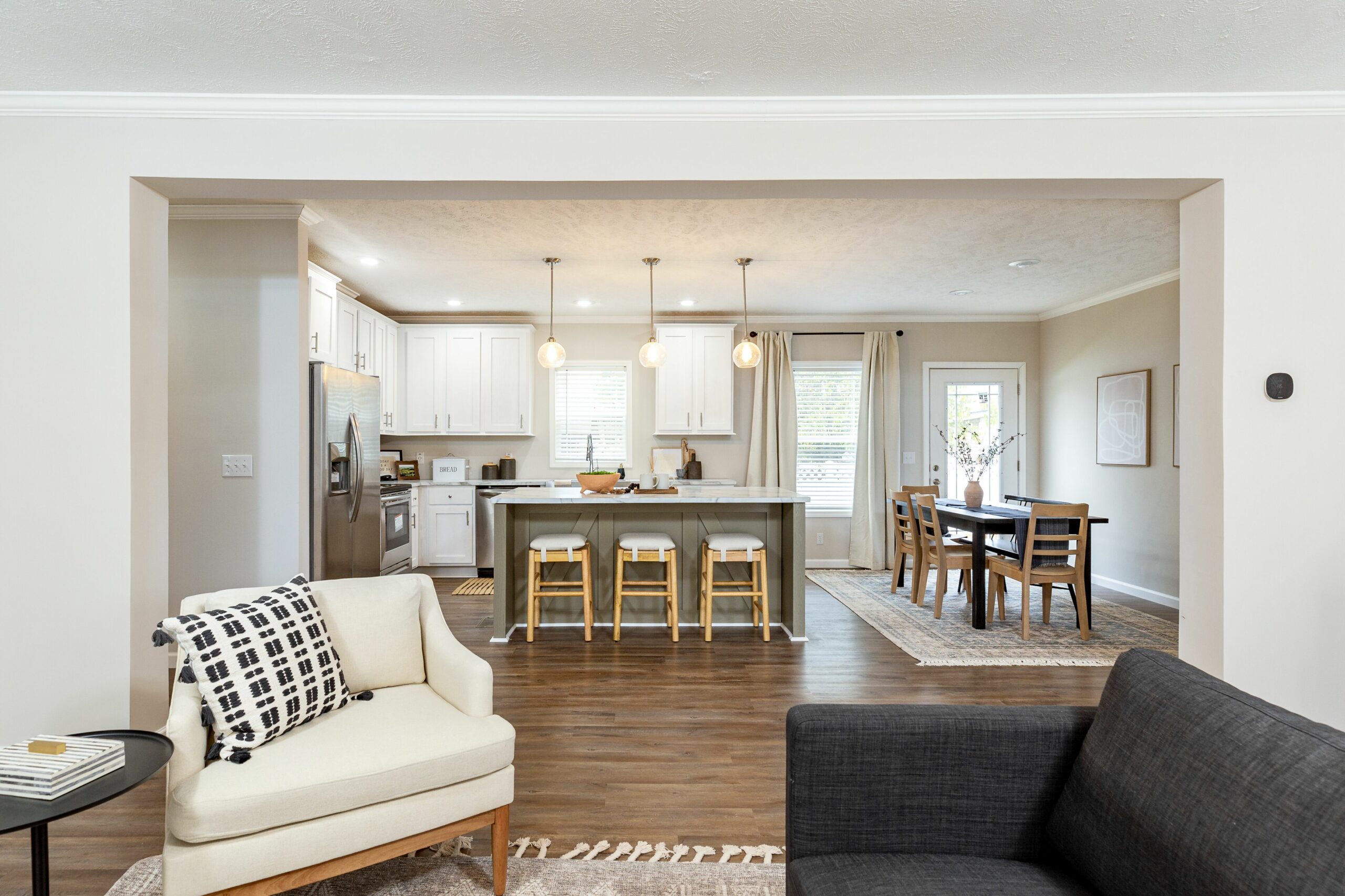
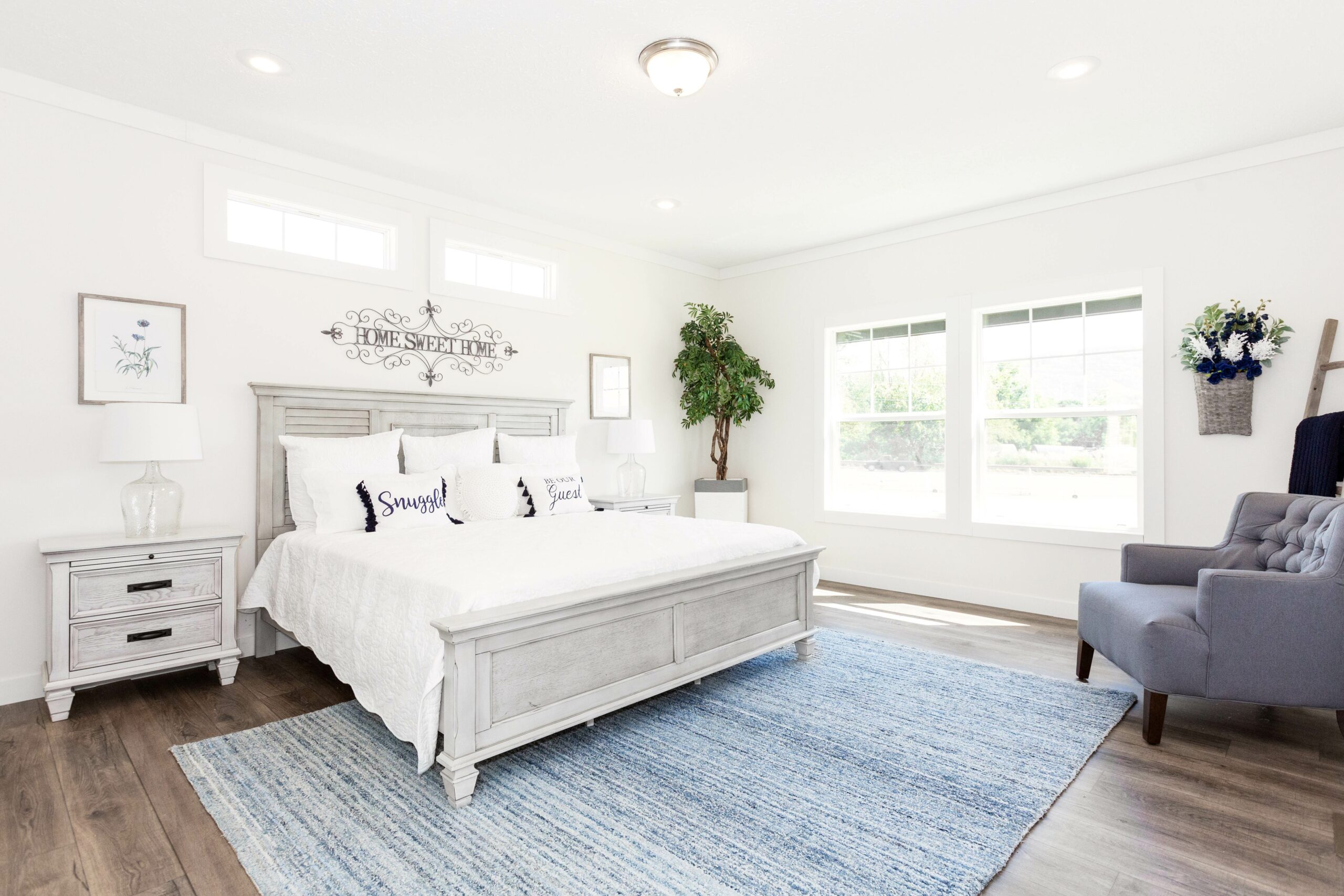
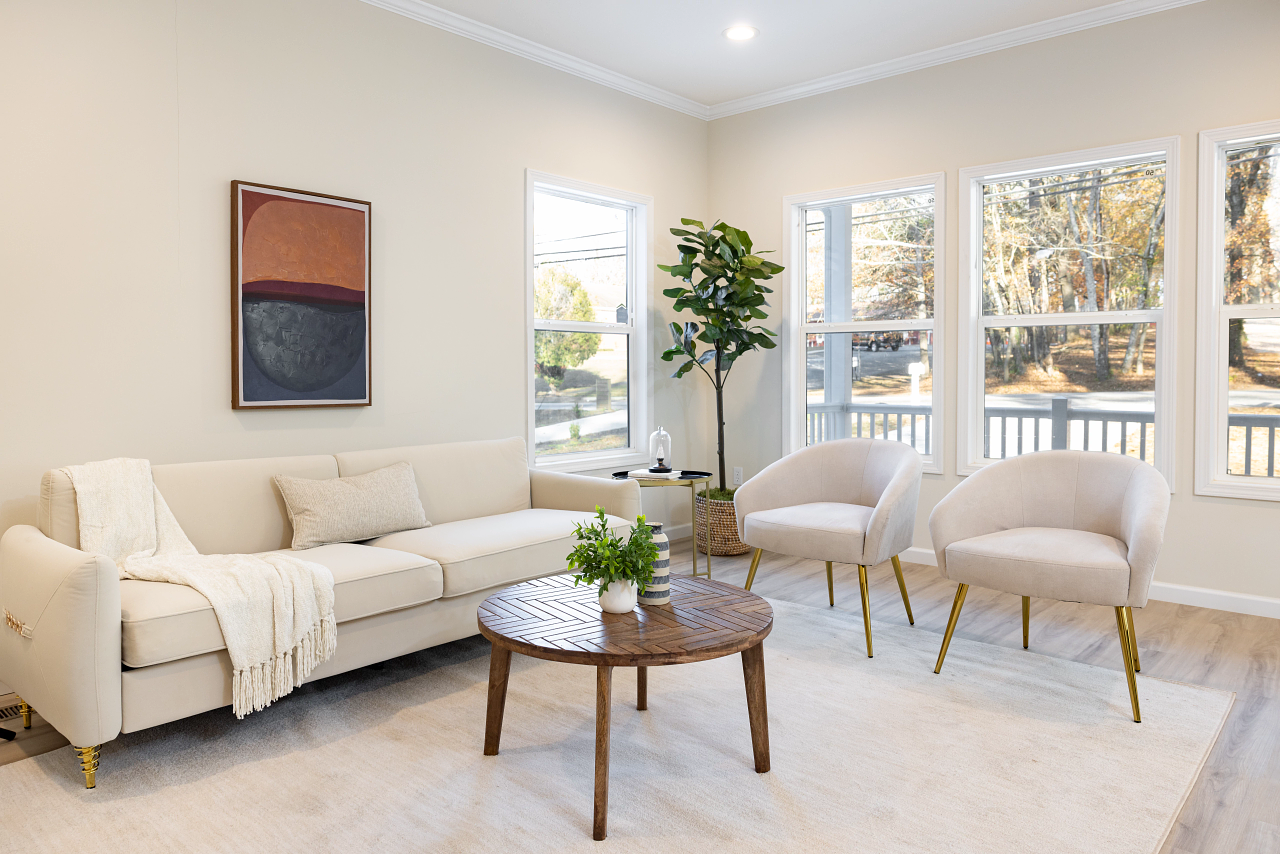
A factory-built home is exactly what it sounds like: a home constructed off-site in a controlled indoor facility, then transported in sections to its final location, where it’s assembled and permanently installed. Because the building happens indoors, weather delays disappear, quality control is consistent, and materials and labor are used more efficiently. Nationally, factory-built homes cost roughly half as much as site-built construction.
These homes are typically about 80% complete when it leaves the factory, with the remaining 20% finished on-site. The build itself takes only a couple of weeks; site work and finishing add another 30 to 45 days.
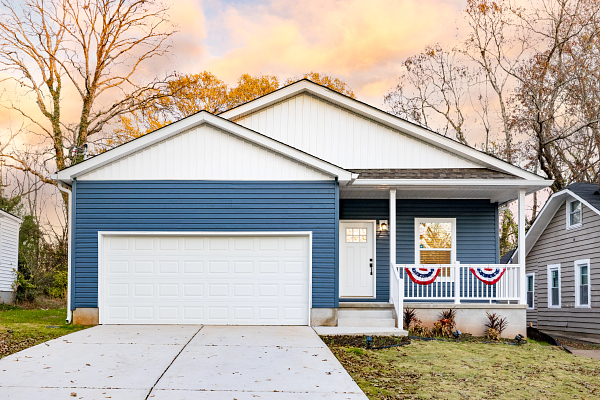
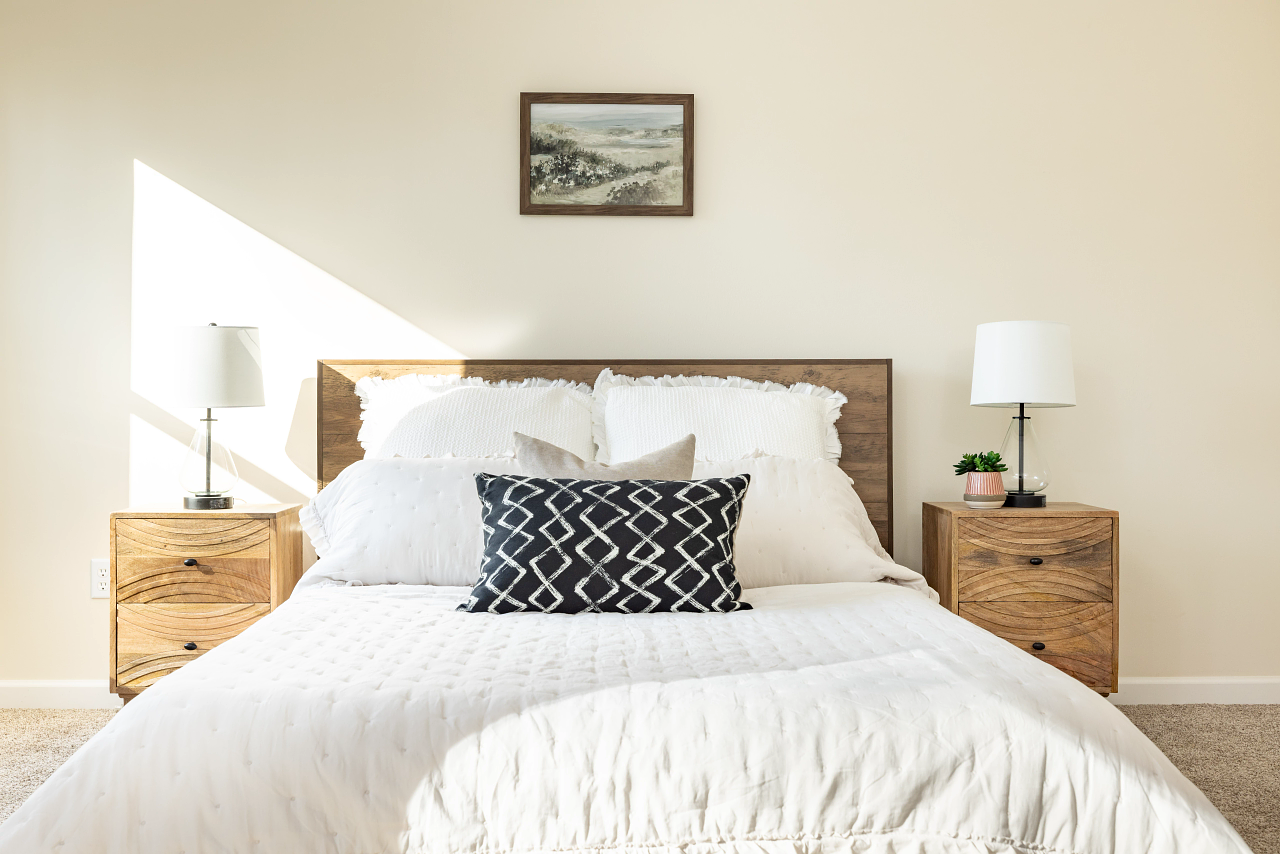
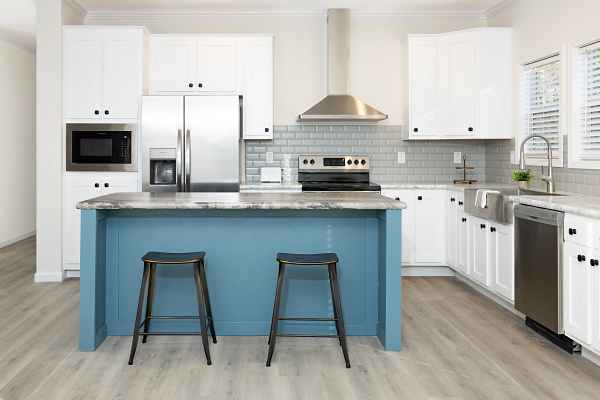

The Four Types of Factory-Built Homes
Not all factory-built homes are the same. They differ in the building code they’re built to, the financing they qualify for, and where they can be placed. Understanding the distinctions early saves a lot of confusion later.

Manufactured homes are built to the federal HUD Code, a national construction standard introduced in 1976. They’re inspected by a third party as they move down the production line and can be single- or multi-section. Manufactured homes can go either in a community (where you’d lease the lot) or on owned land. Zoning options are sometimes more limited, and these homes are appraised against other manufactured housing comps.
Modular homes are built in the same factories using the same materials, but to local and state building codes (or the International Residential Code) rather than HUD. They qualify for conventional financing, have moderate zoning flexibility, and can be appraised against manufactured, modular, or site-built comps. They must be placed on owned land — not in a community — and offer more on-site customization, including options like brick exteriors or custom cabinetry.
CrossMod homes are HUD Code homes built to a higher standard, with specific energy-efficiency and design features that qualify them for Fannie Mae’s MH Advantage® and Freddie Mac’s CHOICEHome® mortgage products. The goal: put factory-built housing on par with site-built construction, in both appearance and financing. CrossMod homes must be placed on owned land and are appraised against CrossMod or site-built comps.
The Next Step home is factory-built housing’s highest standard. Built to HUD or modular codes, these homes go further: all-electric, ENERGY STAR® V3 (or Solar-Ready, where available), installed on an FHA Title II engineered permanent foundation, and eligible for the broadest range of financing — Fannie Mae, Freddie Mac, FHA, USDA, and VA. They can be placed on private land or in a mission-owned community.
The right choice depends on your budget, land situation, and local zoning. None of these categories is “better” — they’re different tools for different situations.
Why Factory-Built? Three Advantages Worth Knowing
It’s more affordable and predictable. Manufacturers buy materials in bulk, and indoor construction eliminates the weather delays and damage that drive up costs on site-built projects. A home can be constructed in about two weeks and installed in 30 to 45 days, with a typical six- to eight-week timeline from order to arrival on-site.
It’s a greener option. Building indoors means dramatically less waste — the construction debris from one home can fit in a single 96-gallon trash can. Today’s manufacturers also build to the latest ENERGY STAR standards (some to the Department of Energy’s Efficient New Homes spec), using low-flow fixtures, low-VOC paints, recycled-content flooring, and LED lighting throughout.
It’s safe and durable. Federal regulations require manufactured homes to comply with strict construction standards, and homes are engineered for the wind, snow, and weather conditions of the region where they’ll be installed. Wind-resisting components must withstand horizontal wind loads of at least 76.5 MPH and a net uplift of 52.29 MPH; coastal wind zones II and III require even more to handle hurricanes and strong storms.
How to Buy a Factory-Built Home: The Process Step by Step
The buying process typically unfolds over six to eight months. Here’s what each phase looks like.
Step 1: Determine Your Readiness
Before you start shopping, take an honest look at where you stand. Lenders want to see financial stability, so confirm you have steady income and manageable expenses. Think about your family size now and what you might need a few years out — bedrooms, bathrooms, yard space, proximity to work and schools.
Pull a free copy of your credit report at annualcreditreport.com and review it carefully. Even a small error can affect your loan approval, and errors are correctable. A stronger credit score will also unlock better interest rates and loan options.
This is also the moment to consider a HUD-certified homebuyer education course or working with a HUD-approved housing counselor. Counselors can help you build a plan, avoid costly mistakes, and walk you through every stage of the process — and many homebuyer assistance programs require a completed education course as a condition of participation.
Step 2: Price & Selection
A common rule of thumb: your monthly housing payment shouldn’t exceed 30% of your monthly income. Use that as a starting frame, then talk to a lender to see what you can actually qualify for. Being approved for a certain amount doesn’t mean you have to borrow that much.
Shop around for a trusted lender and confirm what you’ve saved for a down payment — some loan products require as little as 3.5% down, and a few offer 100% financing. Then gather paperwork: 30 days of pay stubs, proof of any other income, two years of W-2s, and two months of bank statements. That’s typically just the beginning of what a lender will want.
Get pre-qualified or pre-approved before you start seriously shopping. If you’re denied, ask why — sometimes the answer is something you can fix in a few months.
Step 3: Explore Your Home Options
Now the fun part: figuring out what you actually want. Make a list of must-haves and nice-to-haves. How close do you need to be to work, schools, or healthcare? Do you want a yard? How much square footage feels right?
Visit a factory-built home retailer or dealer — most have model homes on-site you can walk through, which is the fastest way to get a feel for the quality and finishes. You can also work with a builder or developer (especially if you’re buying land in a new subdivision), or explore homes offered through nonprofit homeownership programs.
Step 4: Land & Location
Where you place your home shapes nearly every other decision — financing, long-term costs, and your equity potential. There are two main paths.
In a manufactured home community, you typically lease the lot and own the home. This is often the most affordable entry point, but understand the lease terms and any resale rules.
On private land, you can pursue a “land-home package” that finances the home and land together as a single mortgage — generally stronger for equity-building and access to more loan products. Either way, check with your contractor and local jurisdiction early about zoning, site preparation, utility hookups, and permits.
Step 5: Financing the Home
There are two main ways factory-built homes get financed, and how the home is sited determines which is available.
Home-only financing, often called a chattel loan, is personal-property financing. It’s typically used when the home is purchased separately from the land. Chattel loans tend to carry higher rates, shorter terms, and fewer consumer protections than mortgages. Think of a chattel loan like a car loan with a title.
Mortgage financing, sometimes called a land-home deal, is real-property financing — the kind of loan most homebuyers think of. It’s available when the home is installed on a permanent foundation, and the land is owned or financed together with the home. Think of this option like a deed.
The good news: getting a mortgage on a factory-built home is far easier than many buyers assume. FHA, USDA, and VA loans are all available, as are state housing finance agency loans and nonprofit lenders. Conventional products through Fannie Mae’s MH Advantage® and Freddie Mac’s CHOICEHome® offer low down payments and competitive rates similar to site-built homes, provided the home meets the program’s energy and feature requirements and carries the certification label.
Down payment assistance programs also exist in every state, and Next Step’s Down Payment Seeker tool can help you quickly identify what’s available in your area.
Step 6: Purchasing the Home
Once you’ve chosen a type and location, it’s time to place your order. Working with a licensed dealer or builder, you’ll select your floor plan, kitchen layout, flooring, appliances, energy-efficiency upgrades, and other customizations.
While the home is being built in the factory, your land is being prepared on-site: zoning approvals, utility hookups, foundation work, and permits. Your dealer or builder will often coordinate this, but stay actively informed about local requirements and timelines so nothing catches you by surprise.
Once the home is built, it’s delivered to your site in sections. A licensed crew installs it on the foundation, completes final assembly, and connects sewer, water, and electrical service. Before you move in, the home must pass a final inspection to confirm everything meets code.
A Realistic Timeline
Plan for the full journey to take six to eight months from the day you start serious research to the day you move in. The pre-purchase phase (six to eight months out) is for budgeting, location selection, and comparing manufacturers. The purchase phase (four to six months out) is when you sign your contract, lock in floor plan and finishes, and finalize financing. Delivery and installation happen one to two months before move-in, and the final week or two is reserved for finishing touches, cleanup, and loan closing.
Setting Yourself Up for Long-Term Success
Closing day is a milestone, but it’s not the finish line. Homeowners who thrive long-term do a few things consistently.
Budget for the true cost of ownership — not just your mortgage, but homeowners insurance, property taxes, and maintenance. Set aside an emergency buffer so a broken HVAC doesn’t become a financial crisis. Stay on top of routine upkeep: check your HVAC, inspect the roof, and address small repairs before they become large ones.
Protect your resale potential by holding on to any certification labels affixed to the home — those Fannie Mae and Freddie Mac labels matter to the next buyer’s financing. Keep important documents accessible too: loan paperwork, title or deed, warranties, and service agreements. And if you ever hit a rough patch, don’t wait to ask for help. Housing counselors can connect you with resources before a missed payment becomes a default.
Take Your Next Step
Buying a factory-built home is a smart, attainable path to homeownership — and you don’t have to figure it out alone. Two resources are worth bookmarking right now.
If you’re wondering how you’ll cover a down payment, try Next Step’s Down Payment Seeker tool. Enter a few details about yourself and where you want to buy, and it will surface the assistance programs available for factory-built housing in your area.
If you’d like a real person in your corner, find a HUD-approved housing counselor near you. They’ll review your finances, help you build a homeownership plan, and walk with you through every step — usually at little or no cost.
You don’t have to have it all figured out today. You just have to take the next step.