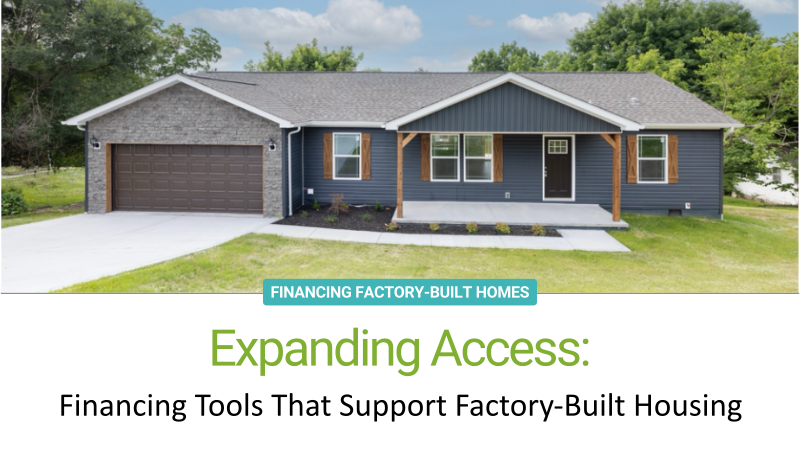
Factory-built housing is gaining momentum as a scalable, cost-effective solution to the nation’s housing shortage. Yet one persistent myth remains: financing these homes is difficult or limited. In reality, today’s factory-built homes can qualify for many of the same mortgage products as site-built homes when titled as real property. Expanding access to the right financing tools is key to promoting broader adoption and long-term affordability.
Traditional Mortgage Products That Support Factory-Built Homes
Conventional Mortgage Loans
When a factory-built home is titled as real property and placed on a permanent foundation, buyers may qualify for 30-year fixed-rate conventional mortgages. Interest rates are often comparable to site-built homes, provided appraisal standards are met. This structure supports wealth-building through equity and stable monthly payments.
Government-Backed Loan Programs
Federal programs further expand access:
- FHA loans offer lower down payments and flexible credit requirements.
- VA loans provide zero-down options for eligible veterans.
- USDA loans support rural buyers with competitive terms and low upfront costs.
These programs reduce barriers for first-time and moderate-income buyers seeking affordable, high-quality housing.
Specialized Factory-Built Housing Programs
Innovative loan products designed specifically for modern factory-built homes are helping bridge historical financing gaps.
Programs like Fannie Mae’s MH Advantage® and Freddie Mac’s CHOICEHome® align underwriting standards for high-quality factory-built homes that meet certain design and installation criteria. These programs promote:
- Site-built-like appraisal methods
- Competitive interest rates
- Greater transparency for builders and lenders
By aligning standards, the GSEs are improving consistency and consumer confidence.
Down Payment Assistance & Affordability Tools
Down payment assistance (DPA) programs are at or near record levels nationwide. Buyers can often combine factory-built housing with:
- Grants
- Forgivable loans
- Deferred-payment second mortgages
Layering DPA with mortgage products can dramatically reduce upfront costs, especially for first-time buyers. State housing finance agencies and local governments increasingly recognize factory-built homes as eligible for assistance, expanding equity in access to homeownership.
Land & Titling Considerations
Financing outcomes often hinge on titling and land ownership. Homes titled as real property – typically when placed on owned land with a permanent foundation – are more likely to qualify for traditional mortgages.
Land-home packages not only improve financing options but also strengthen long-term equity growth. Developers and policymakers can support this by prioritizing zoning reforms, infill flexibility, and infrastructure alignment.
Innovations Driving Access Forward
Recent updates to GSE selling guides and underwriting policies are reducing friction in appraisal and design requirements. Infill lot exceptions, energy-efficiency incentives, and improved valuation guidance are creating clearer pathways for lenders and builders alike.
Technology is also modernizing underwriting and appraisal processes, helping lenders more accurately evaluate factory-built homes within comparable markets.
Barriers That Still Need Attention
While progress is real, challenges remain:
- Limited lender familiarity
- Appraisal inconsistencies
- Zoning restrictions
- Persistent misconceptions
Addressing these barriers requires coordinated action among developers, lenders, policymakers, and housing advocates.
Expanding Access Through Alignment
Financing is not the barrier it once was. With conventional loans, government-backed programs, specialized GSE products, and expanded down payment assistance, factory-built housing is positioned to compete on equal footing with site-built homes.
To fully scale access, stakeholders must continue to align on policy, product design, land-use reform, and lender education. When financing tools work together, factory-built housing can deliver on its promise: affordable, energy-efficient homes that build long-term stability and wealth.