
When natural disasters strike, the loss of safe, affordable housing becomes one of the biggest barriers to long-term community recovery. Traditional construction can take years and can be slowed by labor shortages, material delays, and rising costs. Factory-built housing offers a faster, more resilient, and more cost-effective path forward for municipalities, nonprofits, and affordable housing developers working to support displaced families.
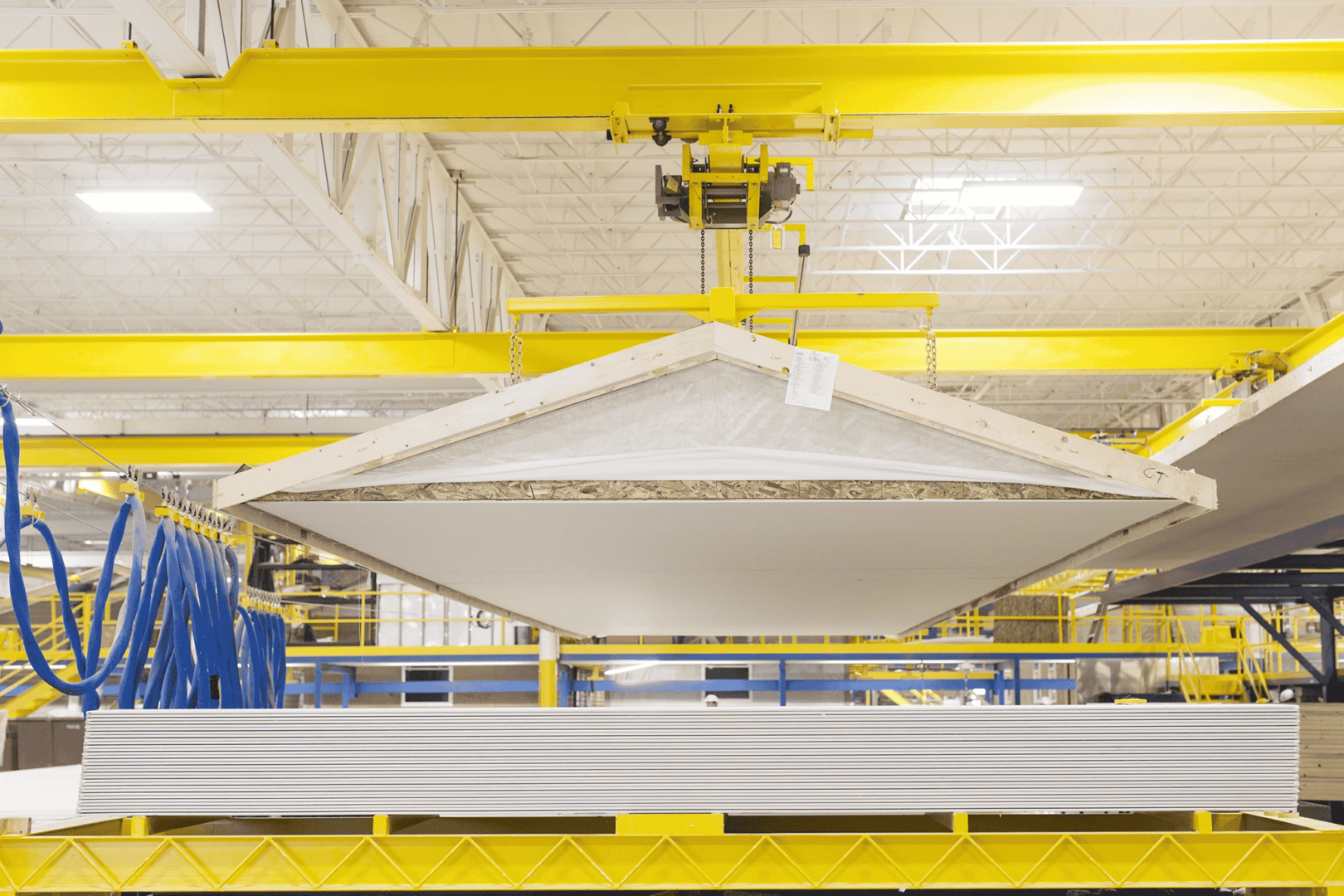
Because factory-built homes are constructed off-site in controlled environments, they can be delivered and installed far more quickly than site-built homes. Modern factory-built homes meet rigorous federal or state codes, providing durable, energy-efficient, storm-resilient housing that can function as transitional units, permanent replacements, or the foundation for long-term community redevelopment.
Municipalities and nonprofits can integrate factory-built homes into post-disaster housing strategies by creating replacement housing pathways, lease-to-own programs, and nonprofit-led subdivisions for households who have lost their homes. Organizations like Next Step support this work through technical assistance, financial readiness education, and homebuyer counseling, helping survivors transition into safe and affordable homes.
Policy is also essential. Communities can accelerate recovery by pre-approving factory-built models, updating zoning to allow diverse housing types, and streamlining permitting. Federal programs, such as FEMA and HUD CDBG-DR, as well as state disaster funds, can support factory-built housing deployment. Meanwhile, CDFIs and nonprofit lenders offer flexible financing for families navigating the rebuild process.
Case Study: Affordable Housing Alliance – Eatontown, NJ
A powerful example of the impact of factory-built housing comes from Next Step’s partnership with the Affordable Housing Alliance (AHA) in Eatontown, New Jersey. Following Hurricane Sandy in October 2012, many New Jersey families were displaced for months. Kaneisha Wilson and her children were one of those families. Her home was funded through a $1 million grant from Robin Hood with funds raised by the 12-12-12 Benefit Concert, supplied and installed by AHA as part of its disaster recovery work.
The broader initiative included the acquisition and complete reconstruction of a 121-unit manufactured home community. Improvements included new code-compliant permanent foundations, a modernized water and natural gas system with multiple hydrants, and 30 new high-quality factory-built homes. AHA also served as an early prototype site for Zero Energy Ready Homes (ZERH) in partnership with the Systems Building Research Alliance – installing the first solar-powered modular home on the East Coast. The community now includes pilot solar installations, a new community center, laundry room, and a children’s playground, providing resilient, affordable homes for low- and moderate-income families.
By integrating factory-built housing into disaster recovery plans, municipalities and their partners can rebuild faster, enhance resilience, and help families return to stability. Organizations like Next Step stand ready to support these efforts with technical expertise and community-centered housing solutions.