With housing affordability remaining a challenge for buyers nationwide, factory-built homes are proving to be a viable path to sustainable homeownership. In 2026, buyers will find more financing options, better-designed homes, and growing recognition that today’s factory-built housing is very different from what many people remember. Still, navigating the process requires a basic understanding of costs, zoning, financing, and policy realities. Here’s what buyers should expect when considering a factory-built home in 2026.
Why More Buyers Are Considering Factory-Built Homes
Factory-built homes are no longer a niche option – they’re increasingly part of the mainstream housing conversation.
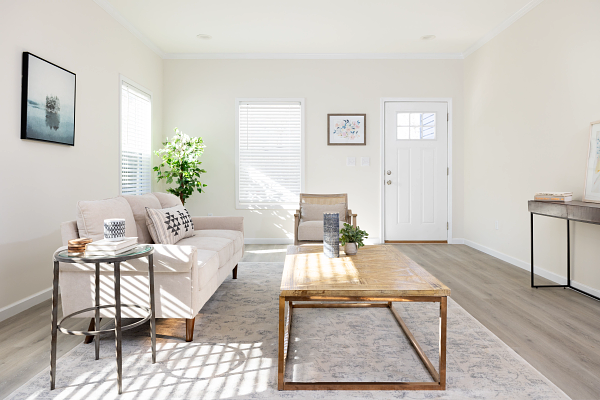
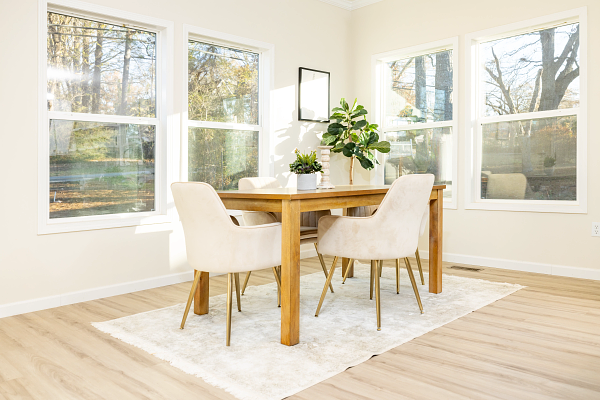
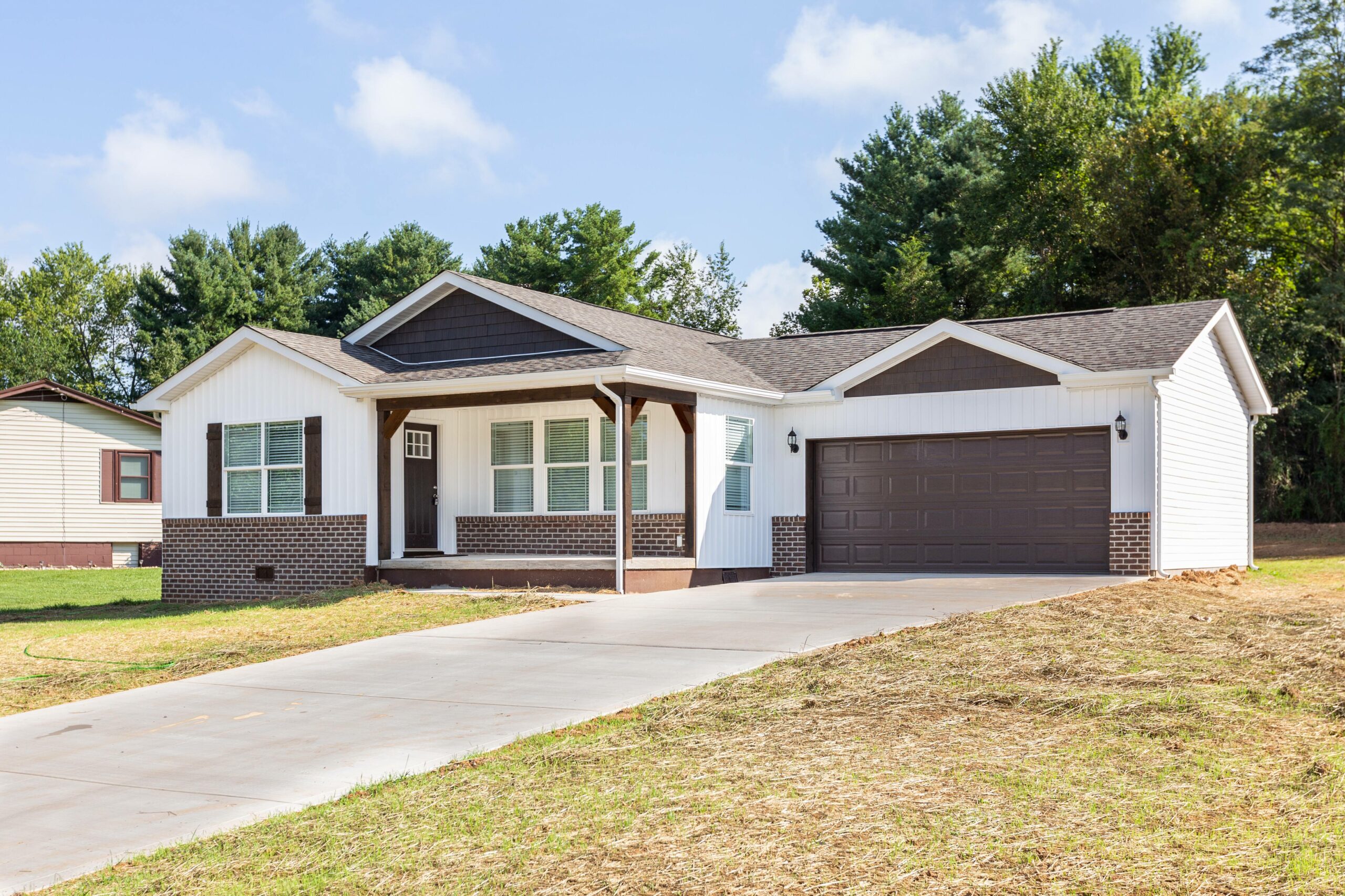
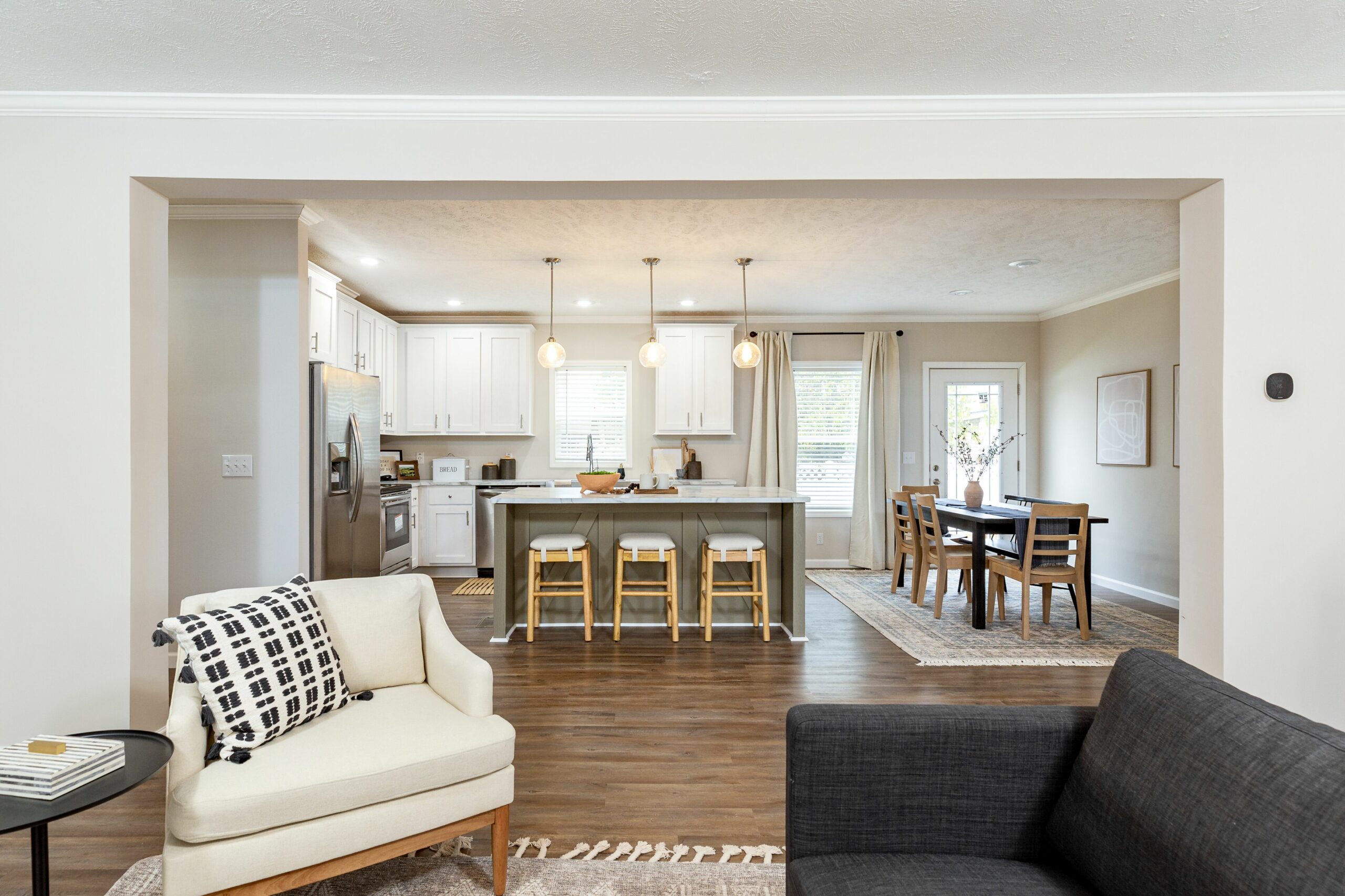
Rising construction costs, limited housing supply, and high interest rates have pushed many buyers to explore alternatives to site-built homes. Factory-built homes offer predictable pricing, shorter construction timelines, and modern designs that appeal to first-time buyers, downsizers, and workforce households alike. In 2026, these homes are gaining traction not just for affordability, but for efficiency and quality.
What Is a Factory-Built Home?
Understanding the different types of factory-built housing is the first step toward making an informed decision.
Factory-built housing is constructed in a controlled factory environment and then transported to a home site for installation. Buyers may encounter HUD Code manufactured homes, modular homes, or newer hybrid options such as CrossMod® homes. The key differences between these types relate to building standards, foundation requirements, zoning treatment, and, most importantly, financing options. Knowing which category a home falls into can shape everything from loan eligibility to lot placement.

Costs & Affordability in 2026
Factory-built homes remain one of the most affordable paths to homeownership, but it’s crucial that buyers plan for the whole picture.
Factory-built homes generally cost significantly less per square foot than comparable site-built homes. However, the advertised base price often does not include land, site preparation, utility connections, or transportation and installation. Buyers should expect total costs to include the home itself, land acquisition (or lease), foundation work, permits, and inspections. Even with these added expenses, factory-built homes often remain more attainable for buyers priced out of site-built markets.
Prospective buyers considering factory-built homes can get an idea of what their home purchase will cost by using Next Step’s TotalHome+ Calculator.
Financing Options Buyers Can Expect
Financing options for factory-built homes have improved, but they still vary based on how the home is classified.
Buyers may pursue either personal property (chattel) loans or traditional mortgage financing, depending on whether the home is titled as real property. Next Step always recommends mortgage financing because it provides consumer protections and can save the buyer money over the life of the loan. In 2026, we expect more buyers to access mortgage-style loans through programs supported by Fannie Mae and Freddie Mac. FHA, VA, and USDA programs may also be available for homes meeting certain requirements. Lenders will still evaluate credit, income, down payment, and appraisal standards, making early financial preparation critical.
Next Step’s Lender Network includes mortgage lenders well-versed in financing factory-built homes and can guide you through the process.
Zoning & Placement: What Buyers Should Know
Even the best home and financing plan can stall if zoning rules are overlooked.
Local zoning regulations continue to shape where factory-built homes can be placed. Some jurisdictions restrict certain home types, require specific roof pitches or foundations, or limit placement outside designated communities. Buyers should research zoning requirements before purchasing land and work closely with local planning offices. While zoning reform is gaining momentum in many states, barriers remain uneven and location-specific in 2026.
Energy Efficiency & Modern Features
Today’s factory-built homes are designed with performance, comfort, and long-term affordability in mind.
Modern factory-built homes often include energy-efficient windows, improved insulation, high-efficiency HVAC systems, and all-electric options. These features can reduce monthly utility bills and improve indoor comfort, which matters just as much as the upfront price. In regions facing extreme weather or rising insurance costs, energy efficiency and resilience features are becoming increasingly important factors for buyers.
The Buying Process: A High-Level Overview
The factory-built home buying process is different from traditional construction, but it can be more predictable.
Buyers typically begin by assessing their budget and financing options, then identifying land or a suitable community. After selecting a home design and manufacturer or retailer, the process moves into financing approval, site preparation, home delivery, installation, inspections, and closing. While factory-built homes often move faster than site-built projects, delays can occur due to permitting, site work, or utility hookups. Knowing the steps in advance helps buyers stay on track.
Take a deeper dive into the factory-built home buying process by watching our webinar Buying a Factory-Built Home: A Homebuyer’s Guide. This Next Step webinar walks you through the full journey of buying a factory-built home – from the first search to getting the keys.
Common Myths (and the Reality)
Misconceptions still influence how factory-built homes are perceived, even as the industry evolves.
A common myth is that factory-built homes are lower quality or don’t hold value. In reality, today’s homes are built to strict standards and often appraise similarly to comparable housing when placed on permanent foundations. Another misconception is that financing is impossible; while it can be more complex, options have expanded significantly. Education remains one of the most powerful tools for buyers navigating these outdated assumptions.
Policy & Market Trends Affecting Buyers
Public policy continues to shape access, affordability, and perception of factory-built housing.
Federal and state efforts to address housing shortages have increased attention on factory-built solutions. Agencies like the U.S. Department of Housing and Urban Development play a central role in setting construction standards and supporting affordability initiatives. These policy shifts won’t remove all barriers overnight, but they are gradually improving buyer access.
Tips for Buyers in 2026
Preparation can make the difference between a smooth purchase and a frustrating experience.
Buyers should ask lenders about real property financing options, confirm zoning and foundation requirements early, and understand what is included in the home price versus additional costs. Working with a housing counselor or trusted advisor can help buyers compare options, avoid surprises, and navigate financing and placement requirements more confidently.
Next Step’s Homebuyer Resource Library offers many tools, guides, webinars, and more to help you feel more confident about your home purchase.
Conclusion: Is a Factory-Built Home Right for You?
Factory-built homes are not a one-size-fits-all solution, but they offer real opportunities in 2026.
For buyers seeking affordability, efficiency, and predictability, factory-built housing can be a strong alternative to traditional construction. Success depends on understanding the process, researching local rules, and securing the right financing. With proper preparation, factory-built homes can offer a modern, attainable path to homeownership in a challenging housing market.